
IRONMAN Leeds Cuts the Swim After Algae Bloom
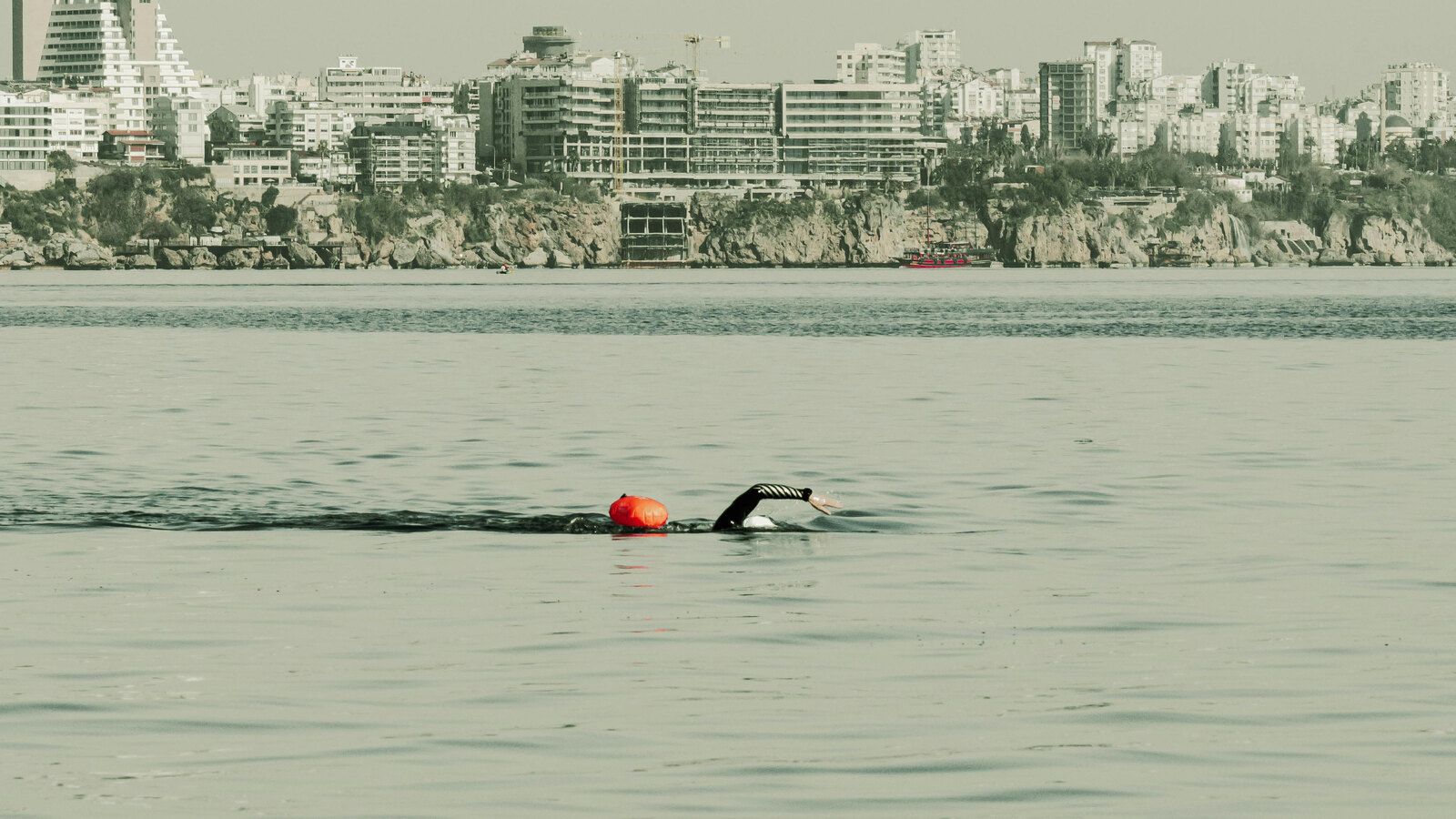
On Saturday 15 August, IRONMAN Leeds organisers put out a statement nobody was ready for. Sunday’s race would go ahead without the swim, and Saturday’s open-water practice session was cancelled too. The reason: blue-green algae in Waterloo Lake in Roundhay Park.
The decision was not the organiser’s alone
That detail matters, because the comments filled with accusations against IRONMAN almost immediately. The statement says plainly that the call was made jointly with Leeds City Council, following a recommendation from the UK Health Security Agency’s environmental hazards team.
The reasoning is one sentence, but a specific one. A heatwave across the UK triggered a bloom of blue-green algae. Testing of water from Waterloo Lake found concentrations clearly above the threshold considered safe for swimming. Not borderline. Above the threshold.
A very long brick instead of an IRONMAN
The revised format is 180km on the bike (112 miles) and 42.2km on the run (26.2 miles): the full bike and run distances, minus the 3.8km swim.
The bike route runs through the Yorkshire Dales over three loops, on roads familiar from the Tour de Yorkshire. The run is four loops finishing on the red carpet in Roundhay Park.
Around 2,500 athletes lined up at the start. This year’s race is age-group only, with no professional field.
That is where the real frustration begins. For an athlete who has spent a year building a life around one race, a bike-run day is not the same race.
Reactions under the statement split two ways. Some athletes called for their entry to be deferred to another race, since the organiser was not delivering the full distance. Others blamed the council for not dealing with the lake sooner. A third group shrugged it off, since the heatwave had hit the whole of the UK at once.
A year ago it looked completely different
This is only the second edition of IRONMAN Leeds. The inaugural race in July 2025 was won by Sam Laidlow in 8:10:08, leading from start to finish.
Nathan Guerbeur finished second (8:24:43), and Harry Palmer completed the podium (8:28:42). Only men raced that year, since there was no professional women’s field.
Blue-green algae is not a cosmetic issue
A bloom of blue-green algae looks like a greenish film or streaks on the surface, and it is easy to dismiss. The problem is that some of the species behind these blooms produce toxins.
Contact with affected water can cause skin and eye irritation, conjunctivitis, and gastrointestinal symptoms. Symptoms typically appear within a few hours of swimming.
Over 3.8km of swimming in a crowded field, swimmers swallow water on every breath. The risk grows with time spent in the lake. That is why, once concentrations sit above the threshold, there is no room for compromise.
The mechanism behind the bloom is no mystery either. It is eutrophication: an excess of nitrates and phosphates running into lakes and rivers. Add a couple of weeks of heat with little wind, and the conditions are set.
The same thing is happening on the Baltic coast
Blooms elsewhere follow the same mechanism: high temperatures plus weak wind. The summer of 2026 supplied both across northern Europe, and closures kept returning through the season.
Conditions can flip either way within a few days. Data from a week ago says nothing about today.
Anyone with an open-water start on the calendar in September, or training sessions planned at a lake, can check a venue’s official status before travelling. Across the EU, bathing waters are monitored under the Bathing Water Directive, every member state publishes site-by-site status and bans, and the European Environment Agency collates the results. One caveat is worth knowing: routine monitoring targets E. coli and intestinal enterococci rather than cyanobacteria, so a toxic bloom usually surfaces as a local advisory rather than in a site’s headline rating.
It takes thirty seconds, and it is the difference between knowing in advance and finding out the day before the start.