
The Front-End Pause That’s Slowing Your Stroke
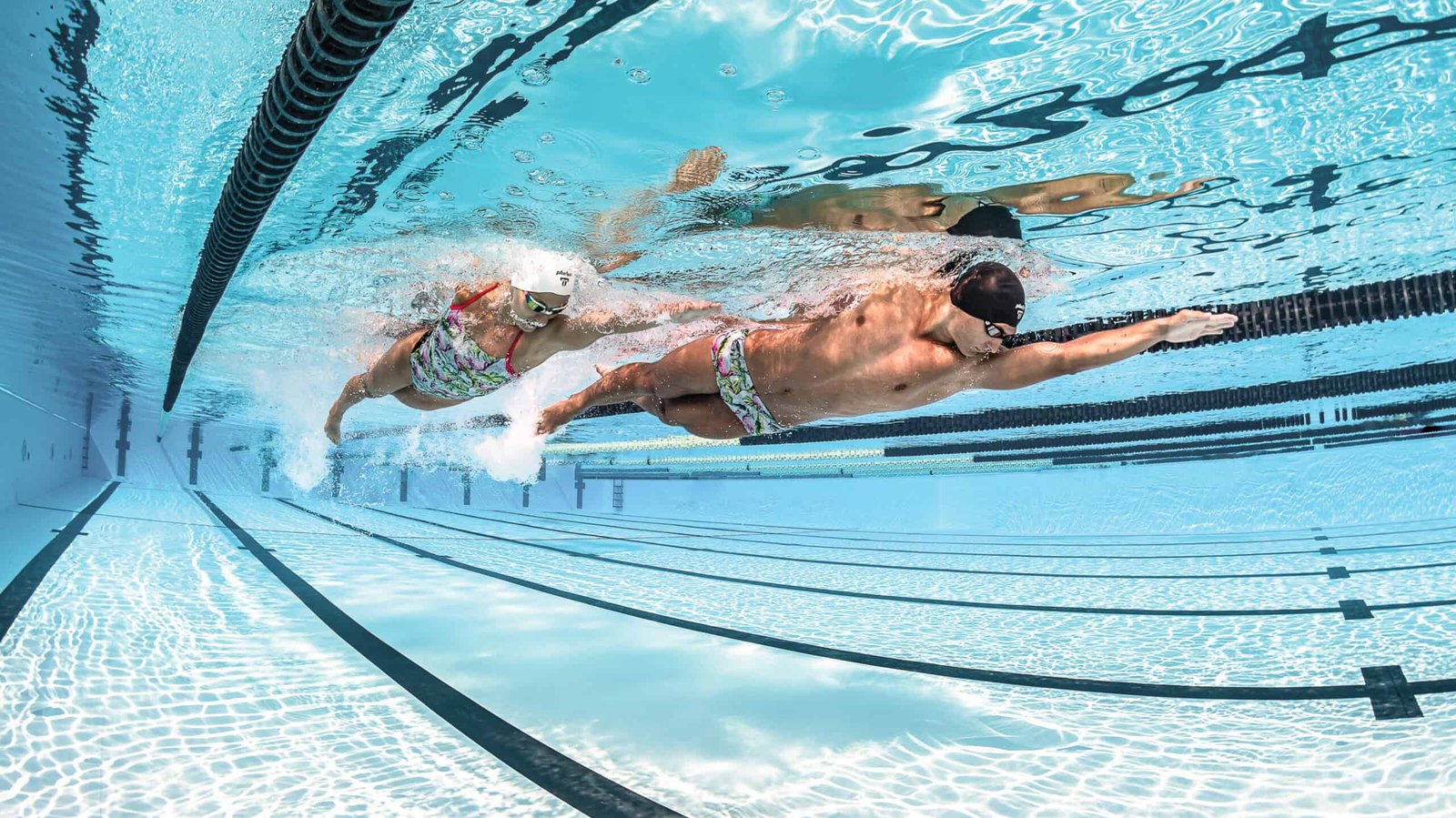
Slow-motion footage of elite swimmers shows a calm, extended glide after each hand enters the water. Copying that in the pool, deliberately holding the arm out front, feels like textbook smooth swimming. The effect is the opposite of what was intended: the swimmer goes slower.
Water is 800 times denser than air
This is the whole issue. Water is roughly 800 times denser than air. Every break in propulsion costs speed immediately, not after a delay. The body does not coast on momentum, it decelerates.
Re-accelerating after that kind of stop burns more energy than keeping continuous forward motion. That is the physical reason deliberately lengthening the glide does not work, even though it looks elegant from the poolside.
The Swim Smooth school even has a name for this type of swimmer: the Overglider, someone who overdoes the glide. It is one of their recognised technique profiles, not a random error.
This is not a new discovery
The idea has been documented for nearly half a century. Back in 1978, James Counsilman described it in “The Science of Swimming”. He distinguished a hand-to-hand catch-up style from freestyle with continuous arm movement, and showed that the latter transfers force to the water more evenly.
Even the world’s best swimmers do not hold the arm still out front. What looks from the side like a glide is actually a catch already taken hold of, with immediate intent to move. The body travels over an anchored arm, not one suspended motionless.
Three things to check at the next session
1. Remove the deliberate pause. On easy, continuous swimming, think “catch and go” rather than “reach, wait, pull”. This is not about turning the arms over faster, it is about an unbroken rhythm from one stroke to the next.
2. Compare the feel, not the stroke count. Swim two lengths at the same pace. On the first, aim for fewer strokes. On the second, allow a slightly faster rhythm. Notice which felt smoother and easier to hold. Efficiency is repeatability, not winning a contest for the fewest strokes.
3. Check what happens under fatigue. As fatigue builds, notice whether the front-end pause starts stretching out to “rest”. That is usually a sign that timing, not fitness, is the limiter. Simply holding the arms in continuous motion can restore smoothness at the same pace.
What to do about it
Swim Smooth recommends three directions of work, in this order:
- start the catch earlier, instead of waiting with the arm extended out front
- raise stroke rate with tempo-based drills rather than stroke-count drills
- build continuous freestyle swimming into every session to reinforce the rhythm
For anyone looking for a next step in the catch itself, this is exactly the moment for it, working on elbow and forearm position. But the order matters: remove the pause first, refine the shape of the stroke after.
Do not copy someone else’s stroke
Real efficiency is individual. It has to hold up under fatigue and open-water conditions, since nobody swims on an imagined glide once chop hits from the side.
For a triathlete training 8 to 15 hours a week, this is a concrete cue for the next session. Instead of counting strokes across the length of the pool, check one thing first: whether the hand stops out front before the catch begins. If it does, that is the first fix, before touching elbow angle or torso rotation.