
How to Start Triathlon Training: A Beginner’s Guide
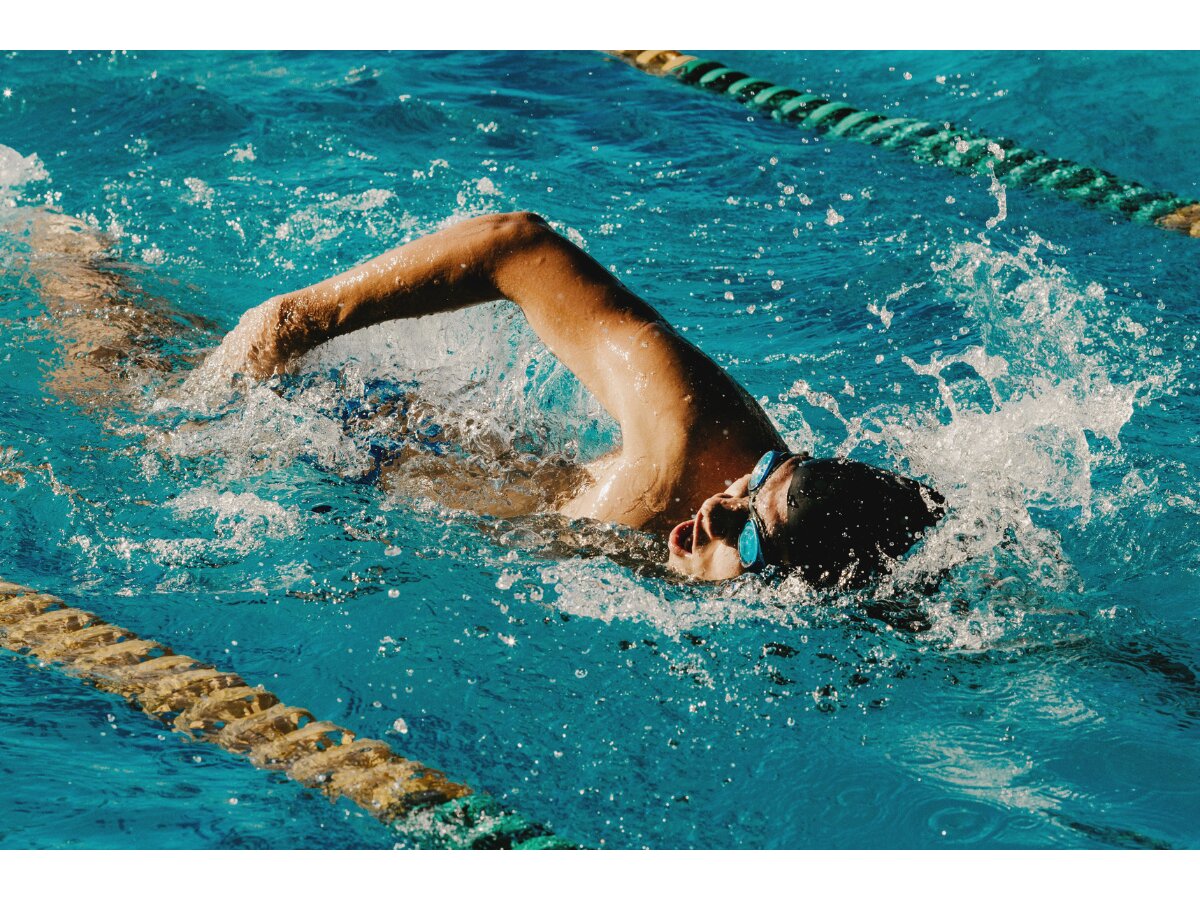
A triathlon combines swimming, cycling and running into one race. It tests your strength, endurance and determination. Don’t let that put you off: triathlon is open to anyone, regardless of starting fitness level, with the right training. This guide covers the basics of the sport, gear choices and training strategy to help you get started.
What Is a Triathlon?
A triathlon is a multi-discipline race that combines swimming, cycling and running. Distances range from sprint races to standard-distance events up to the full Ironman distance. Sprint distance is one of the shorter options: 750 metres of swimming, 20 km of cycling and a 5 km run. At the other end of the spectrum is the long-course distance: 3.86 km of swimming, 180.25 km of cycling and a marathon run of 42.195 km. There are plenty of distances in between. Beginners are generally advised to start with a shorter distance and build up gradually.
Gear You Need to Get Started
The basic gear you need for triathlon training is a swimsuit, a bike and running shoes.
Swimming is the first discipline in a triathlon, so a proper swimsuit matters. Choose one that’s comfortable and allows a full range of movement. Some races, particularly open water ones, may also require a wetsuit.
The bike is the second piece of equipment. You can start with whatever bike you already own. If you plan to race, though, a dedicated triathlon bike, lighter and more aerodynamic, is worth the investment.
Running shoes should be comfortable and properly fitted. Since you’ll be running after an intense swim and bike leg, good shoes make a real difference to comfort and performance.
Beyond the essentials above, a bike helmet, sunglasses and a water bottle are worth having on race day. A sports watch is also useful for tracking progress and monitoring heart rate.
Triathlon Training Basics
The foundation of triathlon training is balancing work across swimming, cycling and running. Safety matters, and regular sessions let you build endurance and strength gradually. As Joe Friel writes in The Triathlete’s Training Bible, the key to triathlon success is deliberate training planning and a focus on technique in each discipline. He recommends increasing training intensity and volume gradually, to avoid injury and early burnout.
Your training routine should include sessions in each of the three disciplines, plus strength work and stretching. Build in time for rest and recovery, and pay attention to nutrition. Triathlon calls for a holistic approach to training and health.
Why a Training Plan Matters
A structured training plan is central to triathlon success. It helps balance training across the three disciplines, ensures adequate recovery and makes it possible to track progress. Various training plans are available online, covering how to split sessions between swimming, cycling and running, and when and how long to rest. Fitting the plan to your own ability and goals matters more than following any plan to the letter.
Nutrition and Hydration
Diet and hydration matter as much as training itself. They fuel your sessions and support muscle recovery afterward. Triathletes need a balanced diet: protein for muscle repair, carbohydrates for energy, and fat for longer-lasting fuel. Hydration matters just as much, especially during long training sessions or races. Learning to fuel and hydrate properly is central to performing at your best.
Recovery and Rest
Rest and recovery are central to performing well in triathlon. Learning when and how to rest helps you avoid overtraining and injury. Recovery methods range from simple rest and sleep to physical therapies such as massage or ice treatment. Rest is often overlooked, but it matters as much as training itself.
Motivation and Goals
Staying motivated matters for long-term success in triathlon. Setting realistic goals and tracking progress helps with that. Whether the goal is finishing a first sprint-distance race or qualifying for an Ironman, every small step moves you closer to it.
Triathlon demands determination, endurance and strength, but with the right training plan, anyone can take it on. Keep in mind the value of the right gear, balanced training, proper nutrition, recovery, and setting realistic goals.
The next piece of the same puzzle is Race Simulation Training: Kill Start-Line Nerves. When the training is ready for a start line, Racelify lists triathlons worldwide.