
Disc Wheels in Triathlon: When They Pay Off
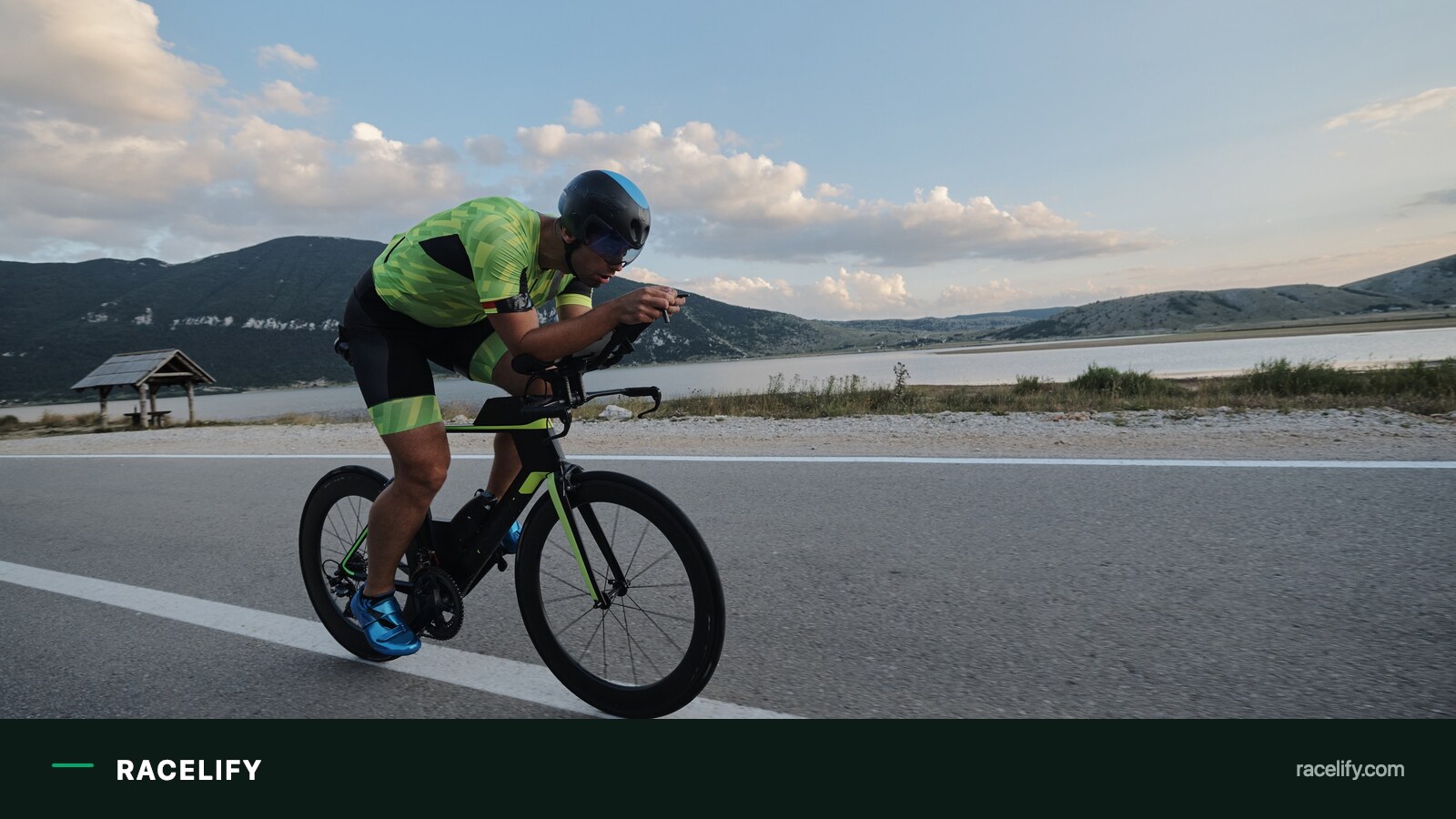
The results from Aix-en-Provence started a discussion. For the 2026 edition the organisers allowed disc wheels for the first time, and Michele Bortolamedi broke Kristian Blummenfelt’s course record, finishing in 3:38:54. A record is always the sum of form, weather and equipment. A rear disc remains one of the more effective aerodynamic gains available, on one condition: the course and the weather have to suit it.
The physics in short
Spokes turning through the air generate turbulence and drag. A disc removes that effect by closing the wheel into a smooth surface and keeping cleaner airflow behind the rear axle.
The size of that gain needs care, because two different numbers circulate. Compared with an ordinary shallow rim, a rear disc can save around 25 watts at 40 km/h. For a rider already on a deep aero rim the difference is clearly smaller, counted in something like fifteen to thirty seconds over 40 km. The first jump, from shallow rim to aero, gives the most; the disc adds what is left.
When a disc makes sense
Flat courses with minimal elevation. Roth, Frankfurt, Aix-en-Provence and Copenhagen are ideal terrain for a disc. Speed is high and sustained, so aerodynamics outweighs weight.
Calm wind conditions. A disc works best in moderate wind. A light crosswind at the right angle can even help: at small yaw angles part of the wind force is directed forward and lowers drag. That is not free propulsion, it is a genuine reduction in drag. Past a certain limit the flow separates and drag climbs quickly.
Equipment that fits together. A rear disc only makes sense alongside an optimised position and a deep front rim. A disc wheel on an old road bike with flat bars is a waste.
When a disc is a bad idea
Hilly courses. A disc wheel usually weighs 150 to 250 g more than a deep aero rim, which is extra ballast on every climb. For most age groupers aerodynamics still beats weight up to fairly steep gradients. Only on courses with significant elevation does that difference eat into the gain.
Strong crosswinds and gusts. A disc reacts to a gust like a sail and can push a rider off line. That is exactly why discs are banned by the rules at the IRONMAN World Championship in Kona. The Queen K highway is known for its crosswinds.
No settled aero handling. A disc demands attention on bike handling. An athlete still learning to ride on the aero bars should work on technique first. The best wheel in the world does nothing for a rider sitting up.
Is it worth it for an age grouper
That depends on FTP and on goals.
For a rider splitting around 2:20 or faster in an IRONMAN 70.3, on a flat course and in calm conditions, a disc gives a real gain. Above 35 km/h aerodynamics accounts for a larger share of resistance than it does at slower speeds.
For a first season in triathlon, or an average around 28 to 30 km/h, the money goes further into position, a bike fit and consistent training. Equipment makes a difference once the rest is in order.
Prices depend heavily on brand and model. The range is wide and moves quickly, so current offers are worth comparing before buying. The used market goes lower, but the condition of the rim and the disc face needs checking.
The verdict
A disc wheel is not an investment for every course. On a flat route, in calm wind and above 35 km/h, it is one of the better returns available in triathlon. On a hilly course or in shifting wind a deep rim does better, and it leaves the rider fighting the bike less.
Aix-en-Provence showed that organisers are increasingly willing to open their races to this equipment.
The next piece of the same puzzle is Aero Wheels: How Many Seconds They Really Give. When the training is ready for a start line, Racelify lists cycling events.