
Bilateral Breathing: Why You Need It and How to Learn It
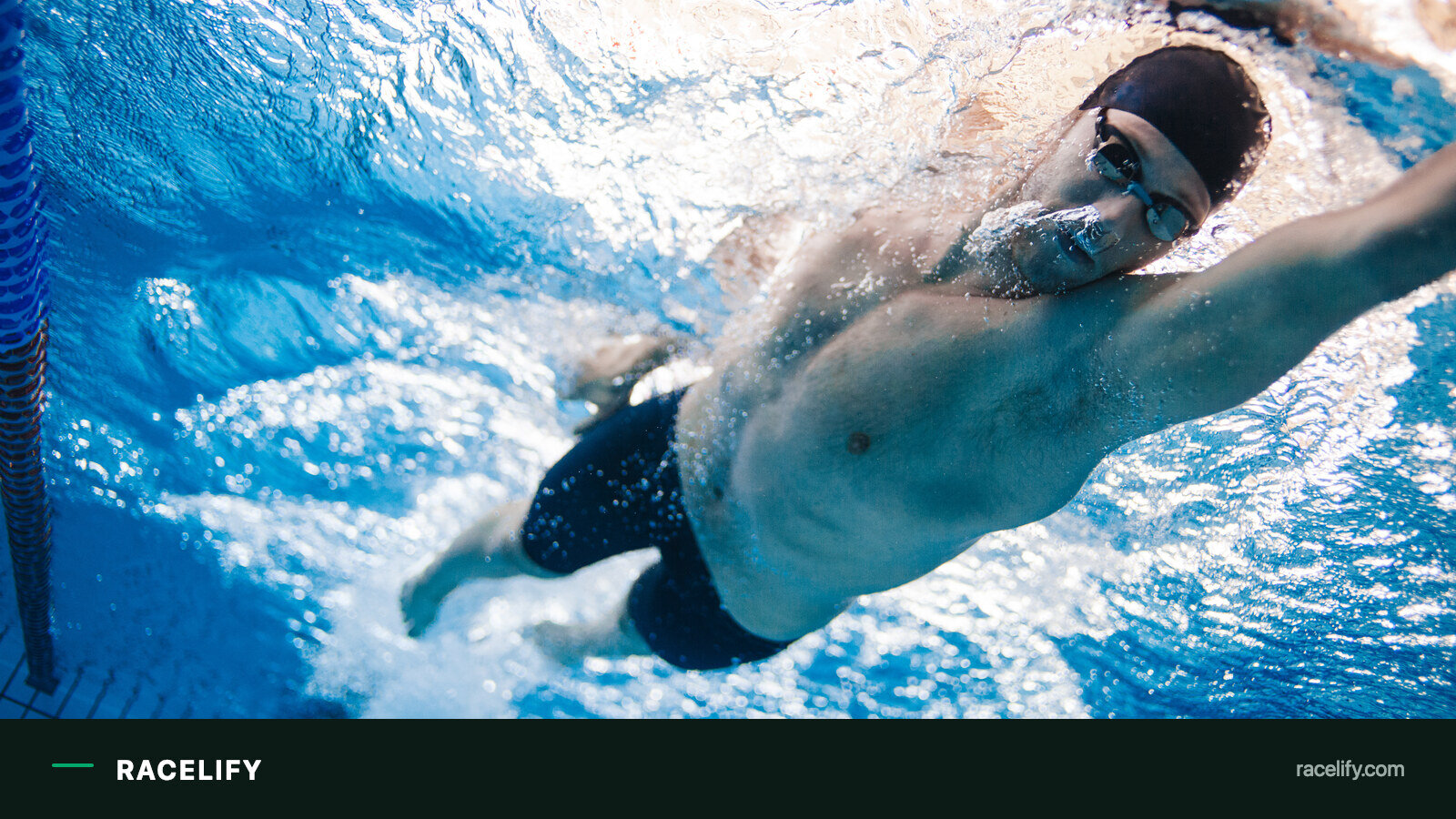
Most triathletes breathe to the same side every time they swim freestyle. It is comfortable, familiar, safe, and that is exactly why it quietly slows you down. Bilateral breathing, breathing to both sides, is not a technique flex. It is a tool that evens out your stroke and saves you in open water when the chop happens to be hitting your “good” side.
Why one side is a trap
When you breathe only to the right, your body rotates harder to that side. Over time this locks in an asymmetry: one arm works differently from the other, the pull on the “weaker” side is shallower, and your body position in the water drifts slightly sideways. In the pool it gets away with it. In open water that drift adds metres you cannot see, and energy you waste.
Breathing to both sides forces even pulls and more symmetrical rotation. The result is a smoother, better balanced stroke and more evenly developed muscles. In other words, you learn to swim straight.
The real advantage is in open water
This is where bilateral breathing stops being pool theory. Race conditions are rarely ideal:
- Chop and splash coming from one side: you can breathe to the sheltered, dry side instead of swallowing water.
- Low sun blinding you from one direction: turn your head the other way.
- Crowded starts: if someone is right at your shoulder, breathe to the opposite side to avoid a head clash or a mouthful of water.
- Sighting: you see the buoys and rivals on both sides, so it is easier to hold your line.
A swimmer who can only breathe one way loses every one of those options in open water, exactly when they matter most.
How to learn it: from basics to rhythm
Do not jump straight into the hard pattern. Build it in layers.
- Start with breathing every 2 strokes to your comfortable side, until it feels completely relaxed and you are never short of air.
- Move to breathing every 3 strokes, the classic bilateral pattern, because it automatically switches sides on every breath. Your “weak” side will feel clumsy at first. That is normal.
- Add longer patterns, every 5 and every 7 strokes, in short reps, to get comfortable holding your breath and to force a calm, controlled exhale underwater.
The key is exhaling underwater. Most breathing problems come from holding your breath and then trying to exhale and inhale in a split second above the surface. Exhale steadily the whole time your face is in the water, so that all that is left above the surface is a quick inhale. That is what keeps breathing smooth and out of the way of your technique.
Drills that speed it up
Willpower alone is not enough. Technique comes from drills that isolate individual elements:
- Single-arm swimming: one arm works while the other stays extended in front or at your hip. It forces rotation and teaches breathing on both sides.
- Side kick: lying on your side with one arm extended and the other at your body, gently turning your head to breathe. Builds the stability and position typical of open water.
- The “zipper” drill: your hand slides along your body like a zip, forcing smooth rotation and head turn. Ideal for practising bilateral breathing.
- Centre snorkel: removes the need to turn your head, so you can focus on body position and arm work before adding the breath.
Weave them into your warm-up and technique work: a few 25m reps, unhurried, with the focus on quality of movement rather than pace.
One nuance for race day
Bilateral breathing is a great training tool and a rescue skill for open water, but it is not a rule for race day. During the hard effort of a start, when your body is calling for oxygen, breathing every 3 strokes can leave you short. Many racers breathe every 2 strokes to a chosen side during the race itself, and switch to bilateral only when conditions force it: chop, sun, a swimmer at their shoulder.
Train both sides so that on race day you have a choice. The goal is not a rigid rhythm but freedom: you can breathe either way, so conditions cannot catch you out.
More on this: SWOLF and Swimming Economy: Where You Lose Time. Racelify lists open water swims with dates and organiser links.