
AirPods Pro 3 and Strava: Ear Heart Rate vs a Chest Strap
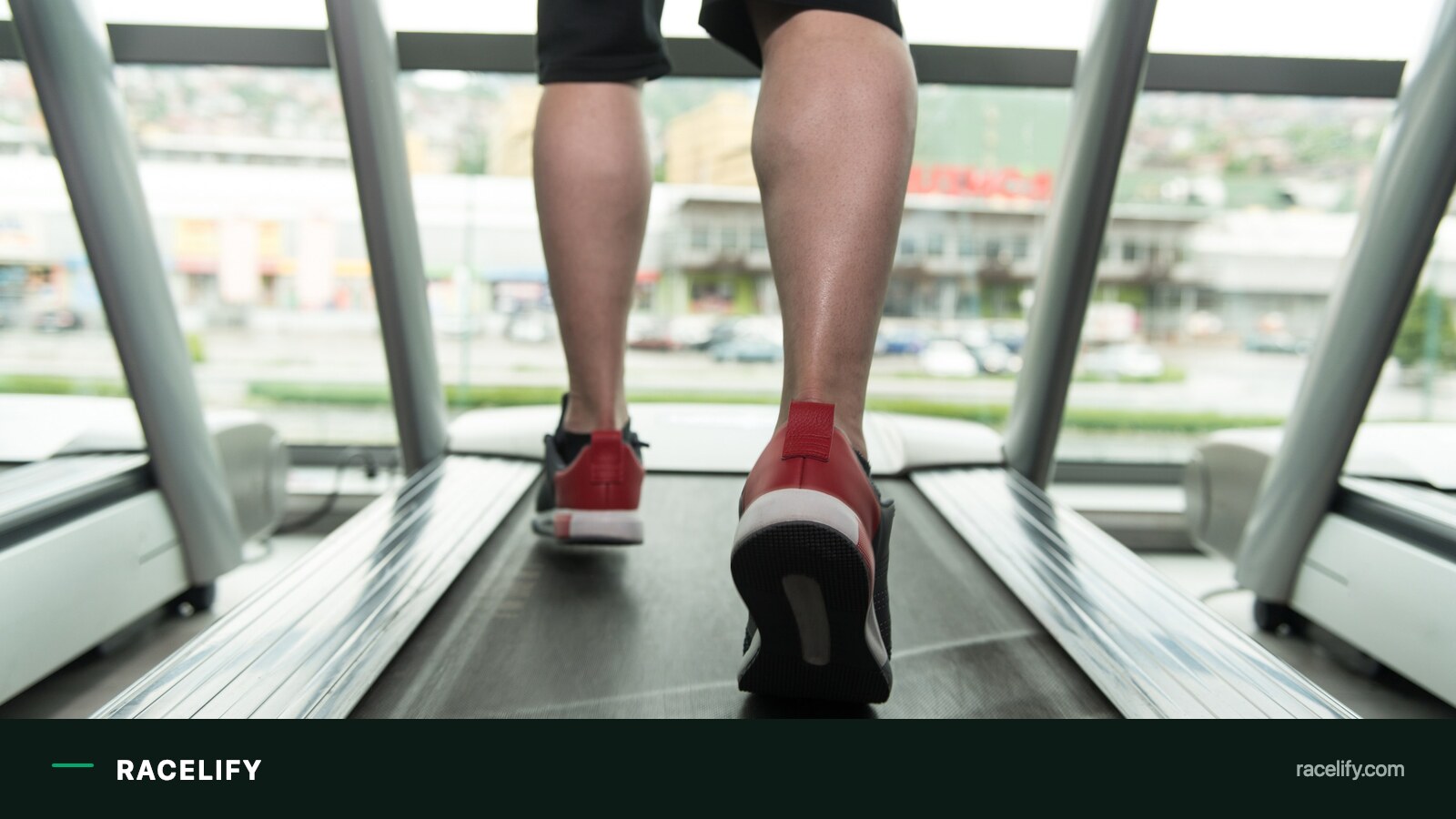
Apple put a heart rate sensor into a pair of earbuds, and in May 2026 Strava finally learned to read it. For a triathlete that means something that sounded like science fiction a year ago: running with earbuds in and getting a reliable pulse with no chest strap, no watch, nothing else. There is really one question that matters, whether an ear, in training where seconds decide which zone a session lands in, can actually replace a proven ECG electrode.
What actually happened
The AirPods Pro 3 launched in September 2025 as Apple’s first earbuds with built-in heart rate measurement, a PPG (photoplethysmography) sensor using infrared light pulsing 256 times a second, built directly into the earpiece. The feature worked natively with the Apple Fitness app and with Apple Watch.
On 13 May 2026, Strava announced full support for the feature in its iPhone app. From that point, starting an activity recording in Strava with AirPods Pro 3 in your ears streams live heart rate to the Mobile Record view. No Apple Watch needed. No strap needed. Just an iPhone and the earbuds.
Requirements: iOS 18 or later, AirPods Pro 3 with current firmware. If a user also has an Apple Watch, Strava automatically picks the best available signal.
How it performs in testing
The most thorough testing came from DC Rainmaker, and several of his key findings are echoed by other outlets, including Macworld and Headphone Guide Pro. The results were surprisingly good, DC Rainmaker said outright that he was “blown away” by the accuracy:
Steady-state efforts (continuous running, trainer riding, long rides): the reading from AirPods Pro 3 is functionally indistinguishable from a chest strap. Adaptive filtering effectively removes footstrike artefacts, so the heart rate trace is smooth, without the “stepping” pattern typical of wrist-based watches.
Tempo efforts and thresholds: still very good. Once intensity settles, the values stabilise and track the real pulse.
Short VO2max intervals are where the one real gap shows up. No optical sensor, wherever it sits on the body, can match the instantaneous electrical response of an ECG strap like the Polar H10, because optical sensors measure blood volume in capillaries, which carries a few seconds of physiological lag. AirPods Pro 3 still do better than wrist watches here, because the ear sits closer to the carotid arteries. For most interval sessions, including hard 60-second repeats, accuracy is very good. For anyone analysing absolute peak heart rate in the first second of a sprint, an ECG strap is still more precise.
Overall, that is a meaningfully better profile than wrist watches in nearly every scenario.
What about swimming
This is where the enthusiasm needs cooling. AirPods Pro 3 carry an IP57 rating (Apple states resistance to immersion up to 1 m for 30 minutes in fresh water), but Apple explicitly says the earbuds are not intended for water sports or swimming. In practice, heart rate measurement underwater runs into physics that Bluetooth does not like, water dampens the signal, and the PPG reading itself is unstable on a submerged ear.
DC Rainmaker tested them in a pool despite Apple’s warnings, but the results are not a basis for treating them as a swim heart rate monitor. A triathlete who wants a pulse reading from swimming still reaches for:
- Garmin HRM-Pro Plus / HRM-Swim, with onboard data storage in the strap itself
- Polar OH1 or Verity Sense clipped to swim goggles
- Form Smart Swim 2 with its optical temple sensor
AirPods are not a substitute for any of these.
What this means for a triathlete
Practical scenarios where AirPods Pro 3 with Strava genuinely help:
An after-work run without a watch. Head out with earbuds in, a podcast playing and an iPhone in a running belt. Pace, distance, GPS and heart rate all land in Strava, no strap, no wrist device. For an age-grouper who does not want another device to charge, that is pure convenience.
Strength training. This is where wrist watches are weakest, a chest strap has always given noticeably better readings than a wrist band. AirPods Pro 3 fill that gap, the sensor stays stable because arms move but ears do not. A genuine alternative.
Indoor trainer sessions. Steady-state Zone 2 or a 30-minute threshold session on the trainer, AirPods will happily stand in for a strap left at home or one a rider simply does not feel like putting on.
Race day. No. Earbuds are typically banned under race rules at triathlon events (ITU, IRONMAN, check the specific rulebook), and relying on a Bluetooth link between phone and ear in race conditions is asking for trouble regardless.
What about FTP, power and the chest strap
To be clear: AirPods Pro 3 are a heart rate sensor and nothing more. They do not replace:
- ECG-grade R-R interval or HRV measurement, still the job of a Polar H10 or HRM-Pro Plus
- Chest-based breathing rate sensors (HRV4Training, BreathRate)
- Running power meters (Stryd, Garmin RD Pod, Polar Vantage with an RC sensor)
- Running dynamics, torso lean angle, stride length
For an advanced triathlete who relies on advanced metrics, a chest strap remains the tool of choice. For everyone else, AirPods Pro 3 with Strava genuinely cut down the number of devices worn on the body.
Price
AirPods Pro 3 launched at $249 in the US. The comparison is what makes the price interesting: a Polar H10 ($104.95 from Polar) plus an AirPods Pro 2 (also $249 at its 2022 launch) adds up to more than the price of the AirPods Pro 3 alone, and buys two separate devices instead of one that also handles noise cancellation, transparency mode and live translation.
Strava supports the feature on its free plan. No Premium subscription is required.
Verdict
For an age-grouper training 8 to 12 hours a week, spending a lot of time on the trainer and happy to have a podcast running during an easy session, AirPods Pro 3 with Strava are a real alternative to a chest strap for 70 to 80% of training sessions. The rest, absolute HRV precision, swimming, and strict threshold testing with R-R analysis, is still a job for the strap.
This is not a revolution. It is a well-built tool that simply cuts down the number of things to put on in the morning.
This sits alongside Screenless Heart Rate Bands 2026: Five Models Ranked. Racelify lists triathlons worldwide by date and distance.