
T100 returns to San Francisco: what to expect
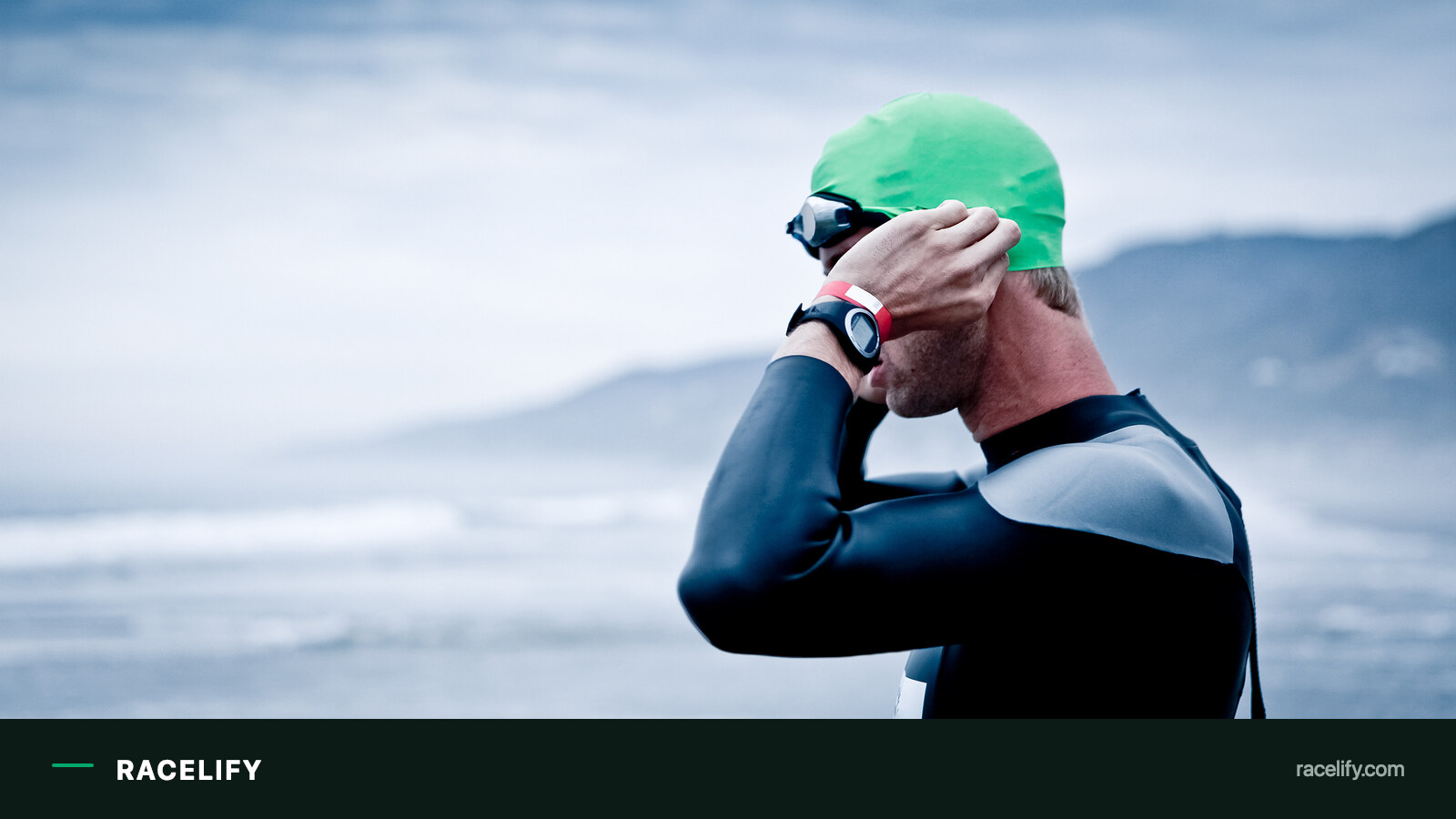
T100 returns to San Francisco, and this time not as a one-off attraction but as a fixed date on the PTO series calendar. After a year away, the bridges over the bay get another look at 100 km of suffering from the best in the world.
The T100 distance
The PTO T100 format is 2 km of swimming, 80 km on the bike and 18 km of running, 100 km in total. Shorter than a full IRONMAN, longer than a 70.3, sharper than a classic olympic. A winning time typically falls between 3:30 and 3:50 depending on the course.
San Francisco is not a flat course. Bridges, wind off the ocean and the climbs on the Embarcadero make it a poor place to chase a world best.
What is known about the bay course
The swim takes place in San Francisco Bay. The water is cold, typically 13 to 15°C (55 to 59°F), with weak but constant currents. Wetsuits are mandatory.
The bike normally heads across the Golden Gate Bridge towards Sausalito and back, and two crossings add up to roughly 3 km in a strong crosswind. Add the climbs in the Marin Headlands if the organisers keep them from previous editions.
The run is the traditional Embarcadero loop, flat and even underfoot, but the sun and wind will break anyone who came off the bike badly hydrated.
The field and the points
T100 ranking points are what matters here. The series winner takes 200,000 USD, so each race carries real money alongside the prestige.
In both the men’s and women’s races the fight for points has been running since the first start of the season. San Francisco sits in the middle of the year, so the ranking has already taken shape.
The interesting split is between athletes arriving in full form and athletes using San Francisco as a tune-up for the IRONMAN World Championship. T100 is the season’s second front, and every athlete plays it with a different strategy.
Coverage
T100 coverage runs on PTO+ and on selected regional broadcasters.
Why the course is worth watching
Cold water, wind and a rolling profile put San Francisco much closer to a typical northern European race than to the heat of Hawaii. The useful thing to watch is how the front of the field handles fuelling with a cold swim followed by a hard bike.
The bridges are a lesson in how not to blow apart on the bike, and that lesson transfers directly to anyone pacing a 70.3 on a similar profile.