
Returning to Training After Illness: The Neck Rule
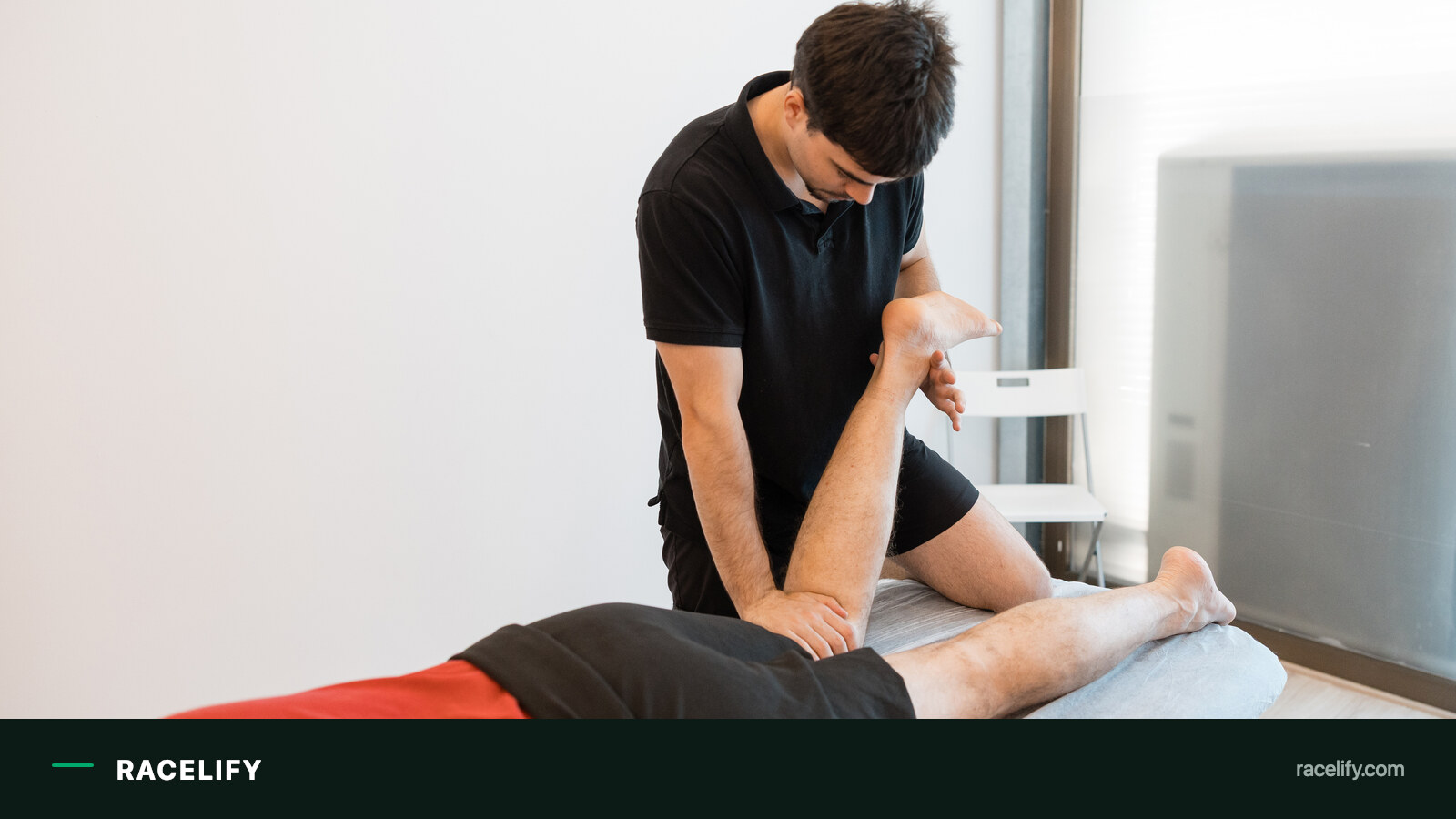
A cold hits mid training block, and the same thought follows: just push through it, don’t lose the form. That is exactly the moment the mistake happens, a mistake that can cost weeks, not days. Training hard through an infection does not toughen the body. It prolongs the illness and, in the worst case, attacks the heart. Here is how to come back safely.
The neck rule: a simple test for whether you can train
Sports doctors have used the neck rule (neck check) for years. The rule is simple: locate the symptoms relative to the neck.
Symptoms above the neck, a runny nose, congestion, a sore throat, mild scratchiness, usually allow light effort if the body feels up to it. Symptoms below the neck, a cough, chest tightness, fever, muscle aches, general exhaustion, are a hard stop.
The rule itself is not fully scientific and gets criticised as an oversimplification, but as a quick safety filter it works. If in doubt, treat it conservatively: when unsure, skip the session.
Fever is the red line
Fever changes everything. It raises resting heart rate, dehydrates the body, increases muscle breakdown and lowers cardiorespiratory capacity. There is no justification for training with a fever, it is a direct route to a worse infection.
With systemic symptoms (below the neck), fever, muscle aches, an elevated resting heart rate, stop training until they clear. Sports medicine literature cites a range of 7 to 14 days from when symptoms resolve before returning to full training load.
Why it is a matter of the heart, not fitness
The most serious reason for caution is the risk of myocarditis, inflammation of the heart muscle. Hard effort during a viral infection can trigger heart inflammation and, in extreme cases, lead to dangerous complications. In a severe case of illness, the return to sport can be pushed back by 3 to 6 months and requires a doctor’s clearance. That is the reason a single forced session is never worth the risk.
A safe return protocol
Once symptoms below the neck clear, do not jump straight into intervals. A tested approach:
- Wait at least one day after symptoms below the neck clear before returning to any activity.
- Start with a recovery-pace session: easy swimming or zone 1 cycling, kept short.
- Hold recovery pace until symptoms above the neck are gone too.
- Watch resting heart rate and HRV. An elevated resting heart rate means the body is still fighting the infection. Do not push.
- Build back gradually, adding intensity only once easy sessions pass without a setback.
One day off will not undo your fitness
Fitness does not disappear after a few days on the sofa. Detraining research is clear: a few days off cost nothing, and trying to make up for lost time while still sick costs far more than the days it was meant to save.
Next time an infection hits, run the neck test and be honest about the answer. Skipping three days beats losing three weeks, or a trip to a cardiologist.