
On Cloudboom Strike 2 LightSpray: 158g and Zero Laces
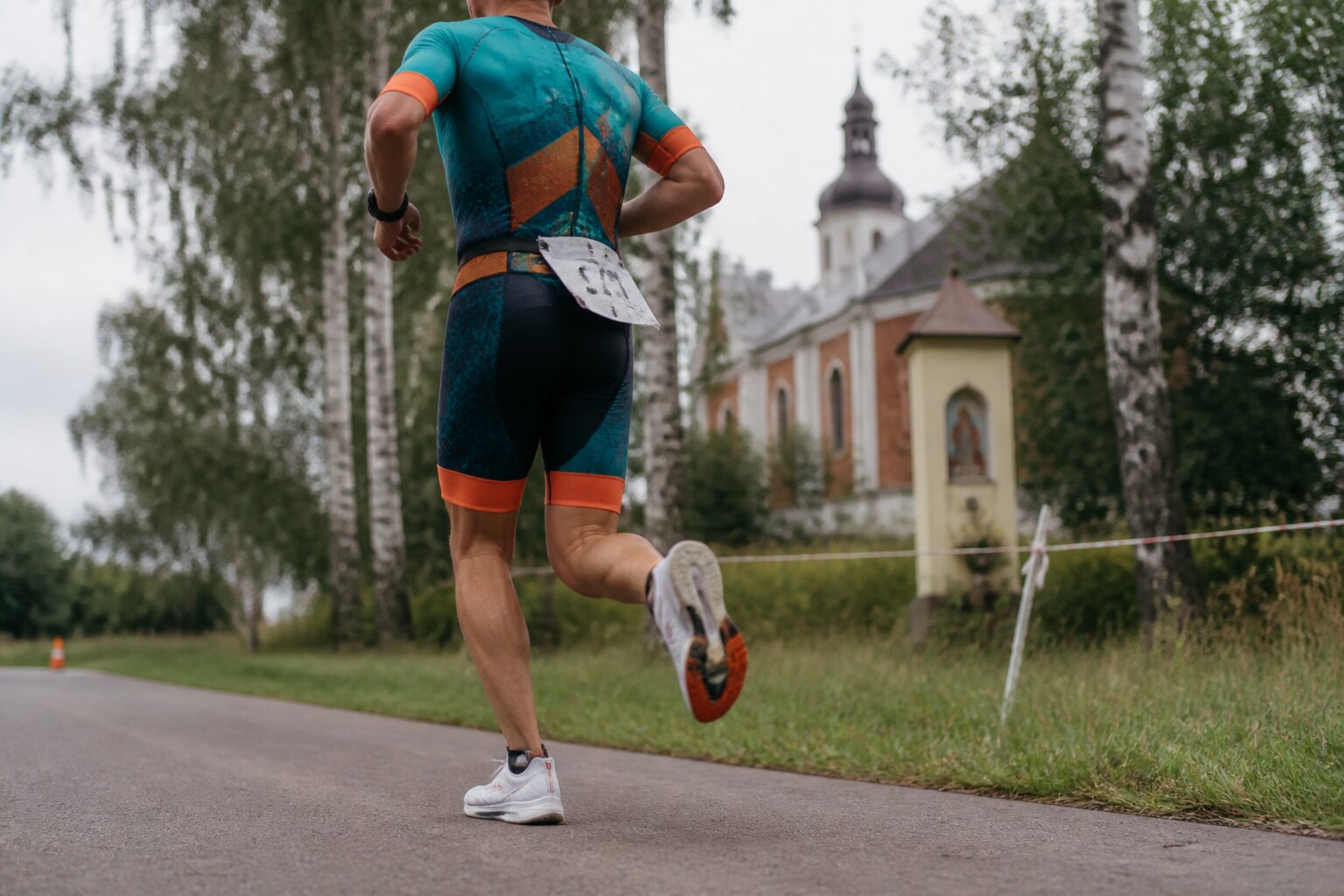
No laces. No seams. An upper that a robot sprays onto the last in a matter of minutes. The On Cloudboom Strike 2 LightSpray is the most futuristic racing shoe to hit the market in 2026, and for triathletes it has one advantage the brand doesn’t mention in its press materials: a T2 without fighting laces.
An upper painted by a robot
LightSpray is a seamless, glueless upper applied in a single spray, literally “painted” onto the last by a robotic arm. The result is a second-skin fit without traditional lacing. The shoe weighs 158g per shoe.
What’s underneath
The midsole is built from a new Helion HF foam, 15% lighter than the previous generation. Between two layers of foam at different densities sits a curved carbon-fibre Speedboard plate, lighter and stiffer than its predecessor, and the whole thing is wrapped in CloudTec Sphere geometry: channels cut into the foam so it can expand more freely and return energy.
It’s worth knowing where that 158g sits on the shelf, since the launch copy doesn’t say. It’s lighter than what Nike currently offers, but it isn’t the record holder. The Adidas Adizero Adios Pro Evo 3 weighs 97g at a price of $500, and the Asics Metaspeed Ray weighs 129g. The Cloudboom Strike 2 LightSpray sits near the top of the field, not at its peak, and buying it means buying the upper more than the weight.
| Parameter | Value |
|---|---|
| Weight | 158g (one shoe) |
| Drop | 5mm |
| Sizes | 36-49 |
| Price | $310 in the US (320 EUR, 300 GBP) |
| Launch | 30 July 2026 |
The price includes a pair of Elite Run Sock High Hyper socks, which On throws into the box for free.
What it’s like to run in
The obvious worry with a lace-free shoe is whether it will actually fit your foot. There’s already an answer: Marathon Handbook ran over 80km in this model in record heat, first in Zurich, then in Paris, in sessions at marathon pace, exactly where this shoe is meant to work.
The conclusions are surprisingly calm for a layperson. The upper breathes and doesn’t soak up sweat even in extreme conditions. The shoe runs true to size and true to width, and the bootie shapes itself individually to the foot. The ATPU material in the second generation is noticeably more flexible than in the first, so the stiffness problem people complained about earlier is gone. The reviewer compares putting it on and taking it off to sliding into a Blundstone.
How long will it last
This is the number one question at a price over $310, and nobody answers it with a number. None of the available sources give a mileage figure, so neither will we.
It is clear, though, which direction this goes. On itself says Helion HF is optimised for peak performance at the cost of durability, shorter-lived than the foam in a training shoe. The upper material, as the reviewer puts it, wears out quickly, and one runner turned a first-generation pair into walking shoes after a season. Treat this as race-day gear with a shelf life, not a purchase for two seasons.
Who this makes sense for
This is a shoe for races up to marathon distance, not for training. For a triathlete, the realistic scenario is the run leg of a long-distance race (70.3, IRONMAN) or a standalone running race outside the triathlon season. Not everyone will pay over $310 for shoes that might survive a few hundred kilometres of race use.
The lack of laces is still a concrete argument for amateurs who lose seconds in T2 fighting wet-fingered knots. Anyone targeting this model for next season should watch for restocks, since On sells it through its own store and select partners, without wide distribution.
More on this: COROS Spring 2026: Hill Alerts and Pace Strategy. Racelify lists running races with dates and organiser links.