
Kona 2026: IRONMAN Rebuilds Its Qualification System
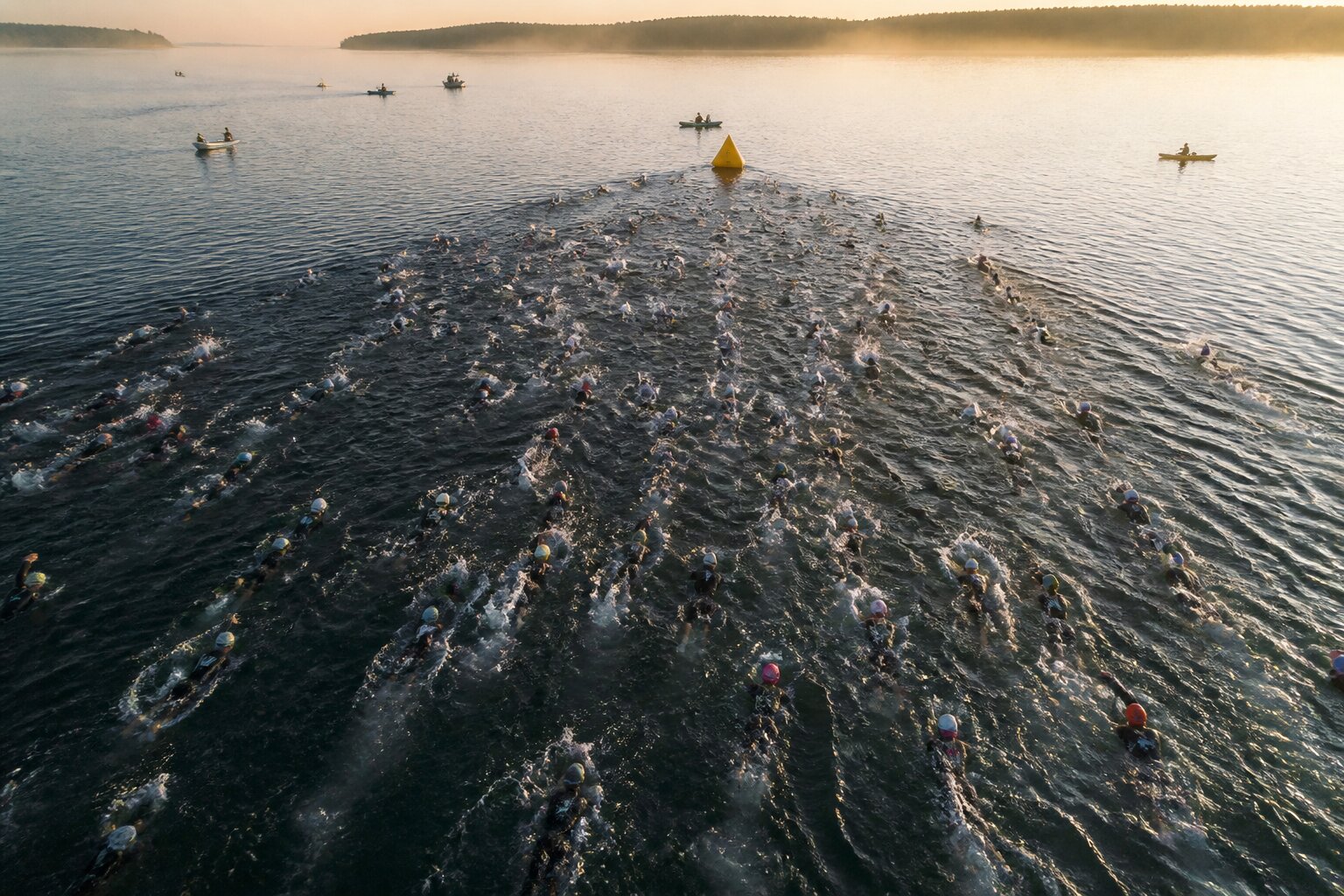
IRONMAN introduced a new, results-based qualification system for the Kona world championship, then walked back part of it after less than three months. The reason: after the first races, it turned out that almost all the slots from the performance pool were going to men. If Hawaii is the goal, here is how it works now.
What actually happened
In mid-August 2025, IRONMAN launched the “Kona Standard” system: qualification based on results rather than the number of starters in each age group. The winner of every age-group category got an automatic slot. The remaining places were split by a shared performance pool, where men and women competed against each other on a converted, age-graded scale.
It sounded fair. In practice, it did not work. It quickly became clear that nearly all the pool slots were going to men. At IRONMAN California, beyond the automatic podium slots, only one woman qualified, against 32 men. The petition “Stand Up for Ironwomen” gathered more than 5,000 signatures.
The numbers that forced the change
The data IRONMAN revealed through CEO Scott DeRue is unforgiving. When a slot dropped from the podium into the shared performance pool, it went to a man in 96% of cases. Up to that point in the season, women had been offered 24% of all slots and accepted 20.3%. Modelling of the system against previous seasons had projected 30 to 35%.
DeRue pointed to two causes. First, women decline slots more often: about 15% of podium finishers decline, against 3% of men, and with an on-the-spot roll-down decision, many need more time to work out family logistics. Second, in this part of the season most of the fastest women (around 60% by IRONMAN’s own rankings) were preparing for Kona, racing there, or recovering, which drained the pool of the strongest female contenders.
What exactly changed
IRONMAN backed away from two elements of the new system.
First, roll-down slots now stay within gender. If a woman declines a slot, it goes to the next woman, not to the fastest athlete in a mixed pool.
Second, separate performance pools now exist for women and men, with the slot count in each depending on the gender split of entries for that specific race. The women’s “Kona Standard” is now calculated against the women’s 30 to 34 age group, not the men’s, as it was under the shared pool.
There is a catch. This is a partial return to the old mechanism: since more men enter, they get more slots. With an 85 to 15 entry split, only about one in six performance-pool slots will go to a woman.
What it means for you as an age-grouper
The changes apply retroactively. Slots that previously fell into the shared pool will be reallocated: 24 women’s slots and 8 men’s slots go back to the athletes who would have earned them, and the pool split adds another 44 slots for women, without taking any from men. Combined, the Kona 2026 start field grows by 76 spots, and IRONMAN has said it will not cut pools already announced for upcoming races.
Practical takeaway: if you are chasing qualification, check how many slots for your gender a given race offers, since that now depends on the entry structure. Timing matters too: a roll-down requires an on-the-spot declaration. Arrive with a travel plan ready.
And the pro race continues
This is the age-group system. Professionals have a separate pool. For 2026 that is 56 men’s slots and 55 women’s. Come spring, plenty of spots remained open, and the key opportunities fall now: IRONMAN Frankfurt on 28 June offers six men’s slots. The qualifying window closes in mid-August, so names like Patrick Lange or Magnus Ditlev, both hit by health setbacks (Ditlev with shingles, among others), still have time, but less of it.