
How to Find Your Optimal Swimming Pace
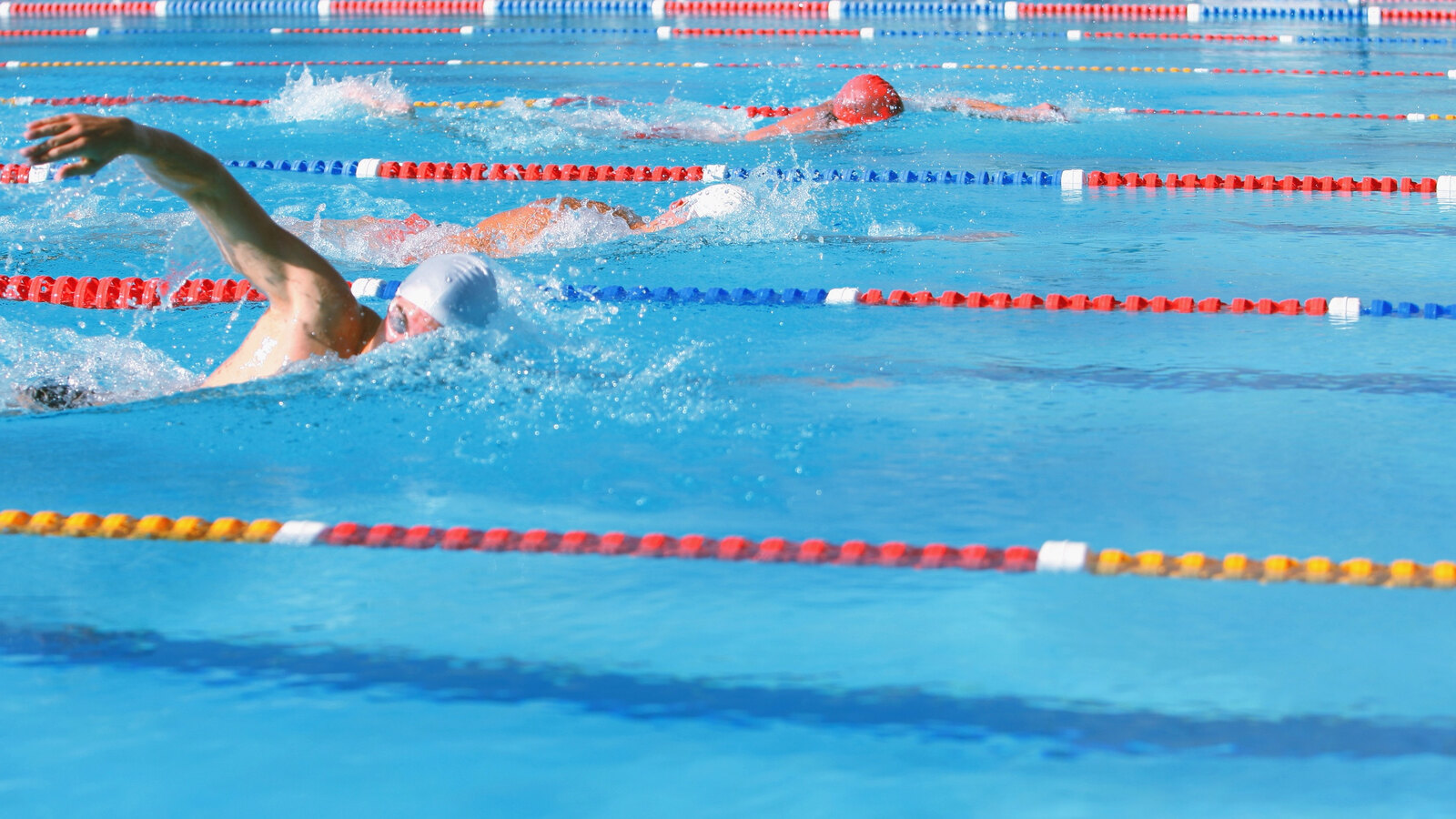
Swimming is a physical activity, and it’s also an exercise in managing pace: a mix of technique, endurance and strategy in the water. Many swimmers ask themselves one question: what pace is actually good for me? There’s no single answer, because it depends on training level, distance, stroke and conditions in the water. Understanding and setting your own pace is central to effective training, better results and enjoying every metre in the water. The sections below look at swim pace from a few different angles.
Pool Swim Pace
Why Pool Pace Matters
Pool pace is the basic measure of a swimmer’s progress. Tracking the time needed to cover a set distance lets you gauge your current level and plan your next training targets. Stroke efficiency and technique have a direct effect on speed, so refining technique matters as much as building fitness. A few tools help track pace:
- Stopwatches and timers: the classic method, good for anyone who wants to focus purely on timing without distracting extras.
- Sports watches with swim tracking: modern devices that measure distance, pace and stroke count, and analyse efficiency from motion sensor data.
Regular measurement makes it possible to track progress and adjust the training plan based on results.
Typical Pace by Swimmer Level
Pool pace varies significantly by training level:
- Beginners: around 2:00 per 100 m on average. At this stage, the priority is building efficient technique and a base level of endurance.
- Intermediate swimmers: pace sits around 1:30 min/100 m, alongside more training aimed at technique and conditioning.
- Elite swimmers: times below 1:00 min/100 m reflect a very high level of technique and endurance.
Research published in the Journal of Sports Sciences, among other journals, backs this up: regularly tracking pace supports effective development of swimming skill.
Open Water Swim Pace: Conditions and Challenges
What Determines Pace in Open Water
Swimming in open water, lakes, rivers or the sea, is significantly harder than swimming in a pool. Currents, waves, water temperature and visibility can slow pace by as much as 5 to 20 seconds per 100 m compared with the pool. Tougher conditions raise fatigue and demand more, both physically and mentally.
At IRONMAN races, for example, the swim takes place in open water, where even experienced triathletes have to expect a slower pace than they would hit in the pool.
Elite Pace: The World’s Best
The best 10 km open water swimmers hold a pace of around 1:12 per 100 m, the product of years of training, technique and race strategy. Their pace over sprint open water distances is faster still.
How Stroke Affects Pace
The Fastest Strokes: Freestyle and Backstroke
- Freestyle is the fastest and most efficient stroke. It delivers the highest speeds and is the default for amateurs and professionals alike.
- Backstroke is slower, but more comfortable and puts less strain on certain muscle groups, which helps during longer sessions and rehab work.
Butterfly and Breaststroke: Demands and Traits
- Butterfly demands strength and endurance, is technically difficult and hard to hold over long distances. Good technique matters here in particular, to avoid injury.
- Breaststroke is the slowest stroke, but popular with amateurs for its comfort and relatively low demand on the respiratory system.
For performance, and for triathlon specifically, freestyle is the stroke most commonly recommended.
Swim Pace in Triathlon
Pace Among Professionals
Top triathletes swim around 1:15 min/100 m for men and 1:20 min/100 m for women. Those times come from strong technique, well-planned training and the ability to adapt to changing conditions.
Gear and Conditions
A wetsuit in open water races improves buoyancy and reduces drag, which can shave a few seconds off pace per 100 m. Calm, warm conditions favour faster times, while rough weather demands more flexibility and adaptability from the athlete.
What Counts as a Good 1K Pace?
Elite Numbers
Elite swimmers cover 1 km in under 10 minutes, reflecting a very high level of fitness, technique and endurance.
Amateur Benchmarks
For recreational swimmers, or those preparing for a first race, hitting around 20 minutes is already a solid target to train toward. A time under 15 minutes points to strong fitness.
Tracking and Planning Progress
Regular time trials over 1 km, under controlled conditions, help assess training effectiveness and set realistic goals. Using data such as 100 m pace makes it possible to predict and plan results over longer distances.
Planning Swim Training Around Pace
Structure and Periodisation
Consistency is the foundation. A training plan should include technical sessions (stroke work), endurance sessions (longer sets in the aerobic zone), intervals (high intensity, for example 4×100 m with 30 seconds’ rest) and recovery.
A Sample Microcycle for an Intermediate Swimmer
- Monday: 1500 m warm-up, 6×100 m at threshold pace (around 1:30 min/100 m), 200 m cool-down
- Wednesday: 800 m technique work, 4×50 m sprint, 600 m easy swimming
- Friday: intervals, 10×100 m at RPE (Rate of Perceived Exertion, a subjective sense of intensity) 7 to 8 out of 10, with 20 seconds’ rest
- Sunday: 2000 m continuous, steady swimming at zone 2 pace (moderate endurance, around 65 to 75% of maximum heart rate)
Reading the Data
- Heart rate zones: help pin down effort level. Zone 2 is a comfortable pace where the body burns mostly fat.
- FTP (Functional Threshold Pace): the threshold pace a swimmer can hold for roughly 30 to 60 minutes, central to anaerobic threshold work.
- TSS (Training Stress Score): a measure of overall training load that accounts for both intensity and session length.
Tracking these numbers regularly helps prevent overtraining and helps keep motivation up.
Recovery, Nutrition and Mental Preparation
Proper recovery, good sleep and balanced nutrition are essential to improving both pace and endurance. Sleep restores the nervous system and lets muscles rebuild. Carbohydrates are the primary fuel, and protein supports muscle repair. On the mental side, visualisation and mindfulness help manage race-day nerves and keep focus in the water.
Swim Pace Is Something You Shape
Swim pace isn’t fixed. It shifts with deliberate training, better technique and mental preparation. Whether you’re new to swimming or working to improve a triathlon split, the fundamentals are patience, consistency and setting realistic new goals. Start by measuring your current pace, then build a training plan on that baseline: each metre gets easier to cover from there.
This sits alongside Speedo iQ: Swim Data Without a Screen. Racelify lists open water swims by date and distance.