
Garmin Edge 1060: The First AI Bike Computer, Maybe
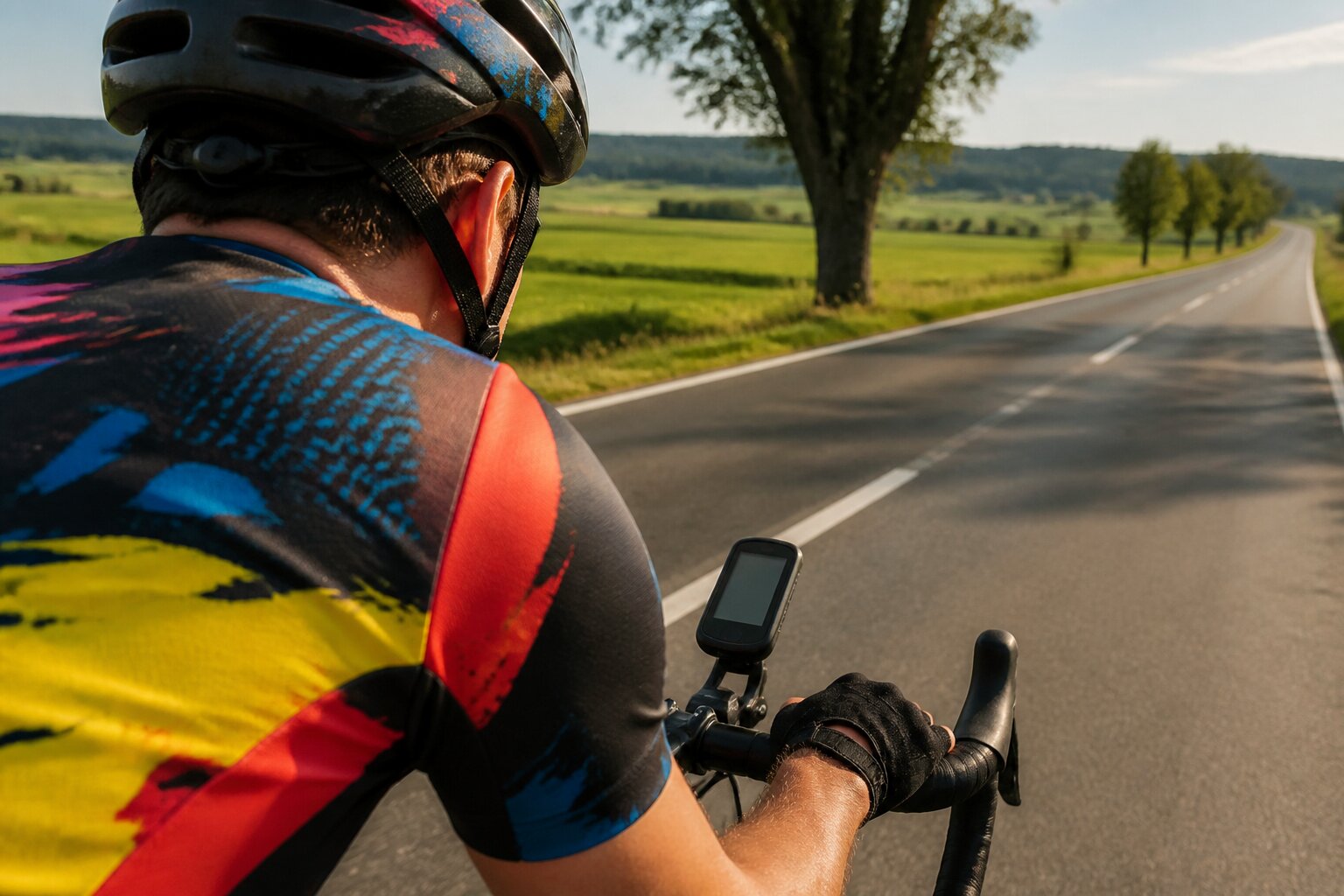
Garmin is preparing a successor to the Edge 1050, and for the first time the word “AI” is being used seriously in the context of a bike computer. The device has already cleared certification in several regulatory databases, so a launch is not a vague rumour but a matter of weeks. A lot of speculation has built up around the rumoured “Edge 1060” and its features, so it is worth separating the confirmed facts from the wish list.
What is actually confirmed
The one hard fact is a new Garmin device with the identifier A04831, which has appeared in regulatory databases: Malaysia’s SIRIM and the TDRA registry in the United Arab Emirates. The entries date from April 2026, and the Malaysian approval is valid until 2031, which points to a full product rather than a minor accessory. A regulatory filing is a standard step just before launch, since a manufacturer needs approval before hardware reaches shelves.
That is where the hard facts end. Garmin has not officially confirmed the name “Edge 1060”, or any specification. Some outlets note that the A04831 designation could just as easily point to an Edge 1050 Solar variant rather than a completely new flagship. A SIRIM filing also cannot be independently verified without an industry account, and the most reliable signal, an FCC filing in the United States, has not appeared yet. Everything below this point is trade-press speculation, not a manufacturer statement.
On timing, Garmin’s two-year cycle points to a window in June or July 2026. The Edge 1040 launched in June 2022, and the Edge 1050 launched on 25 June 2024, so the rhythm fits. That is deduction from a calendar, though, not an announced date.
What “AI-native” would even mean
Most of the noise centres on the claim that the new model will be the first “AI-native” bike computer, designed around artificial intelligence from the ground up rather than having features bolted on. In practice that would mean shifting some analysis from the cloud onto the device itself.
The most commonly speculated features are:
- Live adaptive power pacing: the computer would adjust target power mid-ride using wind data and current Body Battery level, instead of sticking to a fixed Power Guide plan.
- PacePro for cycling: an extension of the running feature, suggesting effort distribution based on terrain, current fatigue and historical power zones.
None of these features have been confirmed by Garmin. They are reasonable industry guesses, not an official roadmap.
Screen and battery
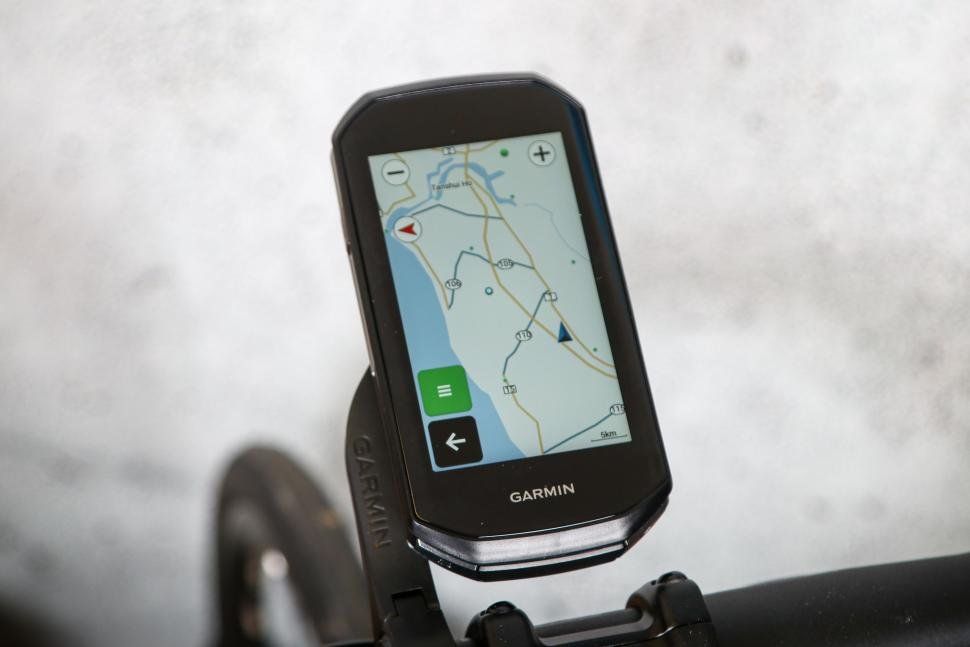
One correction worth making: the Edge 1050 does not have an AMOLED panel. It uses a bright, high-resolution LCD screen, 3.5 inches, 480 by 800 pixels, at around 1,000 nits. Its main weakness is battery life, up to 20 hours in normal mode, which looks poor next to the Edge 1040’s more than 35 hours. Better energy efficiency for long rides is the obvious direction for a successor, rather than a screen overhaul. No concrete battery or screen specifications exist yet for the new model.
What it might cost
Garmin typically holds flagship Edge pricing at a similar level between generations. The Edge 1050 launched at $699.99. It is reasonable to assume a successor lands in a similar range, though a new screen or AI features could push it slightly higher. There is no official launch price yet.
Should a triathlete wait
If you are riding an older Edge and considering an upgrade, it is worth holding off for a few weeks. A launch looks close. Even if the new model turns out too expensive, its debut usually pulls down prices on earlier versions. If the AI features do deliver sensible, wind-aware power pacing, that would be real value for long-distance racers. The final verdict will have to wait until the device is actually on a set of bars.
More on this: Pacing the Bike Leg: Intensity Factor and First Kilometres. Racelify lists cycling events with dates and organiser links.